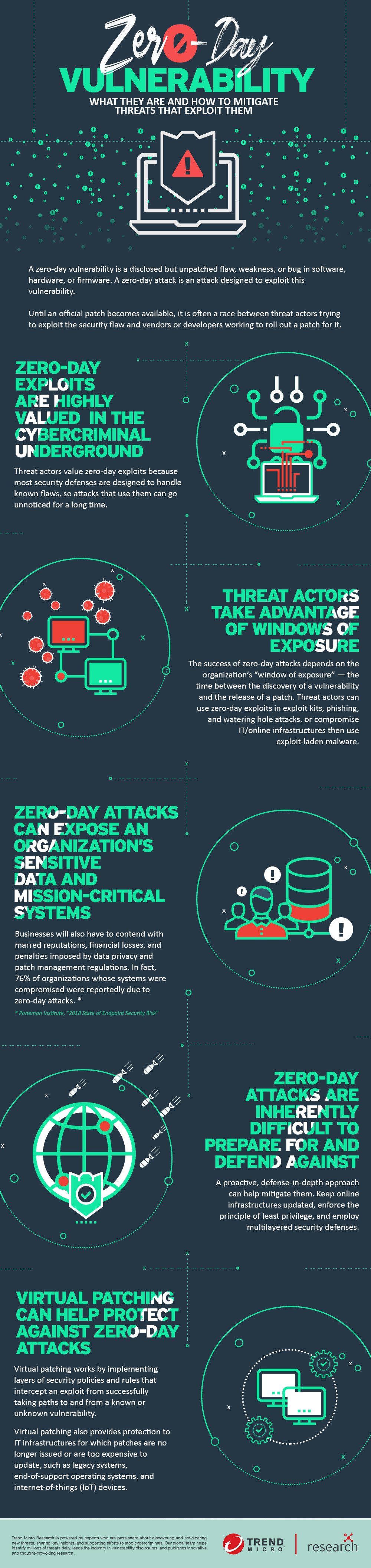
The digital world is a meticulously constructed edifice, yet beneath its polished surface lie hidden cracks, vulnerabilities waiting to be discovered. This is the perilous landscape of Zero-Day Exploits & Undetected Vulnerabilities: Latent Flaws – a realm where unknown weaknesses in software, hardware, or firmware become the launchpad for devastating cyberattacks before anyone even knows they exist. Imagine a burglar finding a secret, untraceable key to your front door, using it, and slipping away before you're even aware it was opened. That's the essence of a zero-day.
These aren't just theoretical threats; they're potent, real-world weapons wielded by sophisticated actors, from nation-states to advanced criminal enterprises. Their impact can range from data theft and system disruption to critical infrastructure sabotage. Understanding these threats isn't just for cybersecurity professionals; it's a vital part of digital literacy for anyone navigating our interconnected world.
At a Glance: The Zero-Day Reality
- The Unseen Threat: A zero-day vulnerability is a flaw unknown to the software vendor or the public.
- The Attack Vector: A zero-day exploit is the specific code or technique developed to leverage that unknown vulnerability.
- The Impact: A zero-day attack happens when the exploit is used before a patch or fix is available, making detection and prevention incredibly difficult.
- No Warning, No Defense: Traditional security tools often fail because they lack "signatures" for these novel threats.
- Dangerous Lifespan: These exploits can remain effective for years, offering attackers a prolonged advantage.
- Beyond Signatures: Modern defense requires behavioral analysis, machine learning, and a multi-layered security approach.
The Silent Threat: What Are Zero-Day Exploits?
To truly grasp the danger, we need to unpack the core components. Think of it as a terrifying trinity:
- Zero-Day Vulnerability: This is the latent flaw itself – a bug, an oversight, or an architectural weakness in code that a malicious actor (or a benign researcher) discovers before the vendor does. It's the secret back door that no one knew existed.
- Zero-Day Exploit: This is the tool or method created to take advantage of that specific vulnerability. It's the custom-made key designed to fit the secret back door. Developing an effective exploit is complex work, often taking skilled attackers an average of 22 days, though top-tier groups can move much faster.
- Zero-Day Attack: This is the act of using the exploit to compromise a system. It's the burglar turning the key, entering your system, and doing their damage before you've even had a chance to lock it. Because the vulnerability is unknown, there's no official patch, and most antivirus software won't recognize the attack signature.
The "zero day" in the name refers to the fact that once the attack is launched, the vendor has "zero days" to fix the flaw because it's already being exploited in the wild. This "vulnerability window"—the period between discovery by an attacker and the deployment of a patch by the vendor—is the most dangerous time. During this window, any system running the vulnerable software is essentially a sitting duck.
Why Latent Flaws Become Zero-Day Nightmares
The concept of "undetected vulnerabilities" and "latent flaws" is central to understanding zero-days. These aren't new bugs introduced last week; many have existed, dormant, within complex software for years. Log4Shell, for instance, a monumental zero-day discovered in 2021, had been present in the Log4j Java library since 2013, quietly waiting to be weaponized.
Traditional signature-based security systems, which rely on databases of known threats, are inherently blind to zero-days. They can't detect what they don't know exists. This is why all systems using the vulnerable software are at risk, regardless of their current security posture, until a patch is released and applied.
The rarity of reported zero-days might lead some to underestimate their impact. IBM's X-Force, for example, has recorded 7,327 zero-day vulnerabilities since 1988, representing a mere 3% of all recorded vulnerabilities. However, their impact often far outweighs their scarcity. When a zero-day hits, it bypasses standard defenses, affecting potentially millions of devices globally before countermeasures can be deployed. Furthermore, RAND Corporation research suggests that once discovered, a zero-day exploit can remain usable for an average of 6.9 years, or about 1.4 years if it's bought and sold on the illicit market. This long shelf-life makes them incredibly valuable assets for attackers.
Infamous Zero-Day Incidents That Shook the World
History is dotted with stark reminders of the destructive potential of zero-day exploits. These aren't abstract concepts but concrete events that have reshaped geopolitical landscapes and crippled businesses.
- Stuxnet (2010): Perhaps the most famous zero-day attack, Stuxnet wasn't after data or financial gain; it targeted physical infrastructure. This sophisticated worm exploited four zero-day vulnerabilities in Microsoft Windows and Siemens industrial control systems. Its mission: to sabotage Iran's nuclear program. It succeeded, damaging over 1,000 centrifuges and demonstrating the chilling reality of cyber warfare against physical assets. Stuxnet showed the world the capabilities of nation-state actors and the depth of the exploring the inner devil of vulnerabilities that could lie hidden in critical systems.
- Log4Shell (2021): A more recent and widely impactful event, Log4Shell exposed a critical flaw in Log4j, a ubiquitous open-source Java logging library. Discovered in late 2021, this zero-day allowed remote code execution, granting attackers full control over devices running Java applications—including popular services like Apple iCloud and Minecraft. The sheer pervasiveness of Log4j meant that countless servers and applications were suddenly exposed, leading to a global scramble to patch systems and mitigate risks.
- Google Chrome (Early 2022): In early 2022, North Korean state-sponsored hackers leveraged a remote code execution zero-day in Google Chrome. They distributed their custom-built spyware and malware through sophisticated phishing campaigns, targeting specific individuals and organizations. This incident underscored how even highly secure and frequently updated software can harbor unknown flaws, and how human factors (like falling for phishing) remain critical initial compromise vectors.
- Kaseya (2021): This supply chain attack saw the notorious REvil ransomware operators exploit multiple zero-day vulnerabilities in Kaseya's VSA software. Kaseya provides IT management software to Managed Service Providers (MSPs), meaning one successful exploit against Kaseya cascaded down to affect approximately 1,500 of their downstream customers. This demonstrated the multiplier effect of targeting vulnerabilities in widely used enterprise tools, allowing attackers to compromise hundreds or thousands of organizations through a single point of entry.
These cases illustrate a crucial point: zero-days are often discovered and weaponized by highly motivated attackers who invest significant resources. They highlight the need for a security posture that anticipates the unknown rather than solely defending against the known.
Beyond Signatures: Modern Approaches to Zero-Day Detection
Given that signature-based security systems are largely ineffective against zero-days, modern defense strategies must evolve. The focus shifts from identifying what an attack looks like to detecting how an attack behaves or where a flaw might exist, even if unseen.
- Behavioral Analysis: This approach monitors systems for unusual or anomalous activities. Instead of looking for a specific virus signature, it flags actions that deviate from normal operation—like a legitimate application suddenly trying to access system files it never has before, or an unusual outbound network connection. It's like having a security guard who knows everyone's normal routine and notices instantly when someone does something out of character.
- Heuristic Analysis: Heuristics involve examining the structure, logic, and characteristics of potential threats to infer malicious intent. This can include analyzing code for suspicious functions, unusual file structures, or patterns known to be common in malware. While it doesn't require an exact match to a known threat, it looks for common traits that suggest a threat.
- Machine Learning (ML) and Artificial Intelligence (AI): These advanced technologies are increasingly vital. ML models can be trained on vast datasets of both benign and malicious code and system activity. They then learn to identify subtle patterns and anomalies that humans or simpler algorithms might miss, allowing them to predict and flag potential zero-day exploits based on deviations from learned "normal" behavior. AI-driven systems can also adapt and refine their detection capabilities over time, continuously improving their ability to spot new threats.
- Sandboxing: This technique involves executing suspicious files or code in an isolated, virtual environment (a "sandbox"). If the file attempts malicious actions, they are contained within the sandbox and cannot affect the live system. This allows security analysts to observe the behavior of unknown files in a safe space, confirming whether they pose a threat before allowing them access to the network. It's like testing an unknown package in a sealed, secure room before bringing it into your house.
These advanced detection methods are often layered and integrated, providing a more robust and adaptive defense against the ever-evolving zero-day landscape.
Fortifying Your Defenses: A Practical Playbook Against Zero-Days
While complete immunity from zero-day threats is an unrealistic goal, you can significantly reduce your risk and mitigate potential damage. A proactive and multi-layered approach is key.
- Defense-in-Depth: This is the foundational principle. Instead of relying on a single security solution, defense-in-depth involves implementing multiple, overlapping security layers. If one layer fails, another is there to catch the threat. This includes everything from firewalls and intrusion detection systems to endpoint protection, data encryption, and robust access controls. Each layer adds friction for an attacker, buying valuable time for detection and response.
- Rigorous Patch Management: While patches don't exist before a zero-day is discovered, they are crucial after it's identified. Establish a strict, consistent, and rapid patch management regimen for all software, operating systems, and firmware. The moment a vendor releases a fix for a newly discovered vulnerability, you need to apply it quickly. Automate patching where possible to reduce human error and speed up deployment.
- Network Segmentation: Divide your network into smaller, isolated segments. If an attacker breaches one segment using a zero-day, they are contained and prevented from easily moving laterally to other, more critical parts of your infrastructure. This limits the blast radius of any successful attack, making it harder for attackers to reach their ultimate targets. Think of it as having multiple watertight compartments on a ship.
- Advanced Threat Detection Systems: Implement and properly configure solutions that leverage behavioral analysis, machine learning, and threat intelligence feeds. These systems are designed specifically to spot anomalies and suspicious activities that might indicate a zero-day exploit in progress. They look for the telltale signs of an attack, even if the specific exploit code is new.
- Employee Training and Security Awareness: A significant number of zero-day attacks, like the Google Chrome example, begin with social engineering or phishing. Your employees are often the first line of defense. Regular, engaging training on recognizing phishing attempts, identifying suspicious links, and understanding safe computing practices can dramatically reduce the chances of an initial compromise. Instill a culture where security is everyone's responsibility.
- Robust Incident Response Plan: Despite all precautions, a zero-day attack might still occur. Having a well-defined and regularly tested incident response plan is paramount. This plan should detail who does what, when, and how in the event of a breach, ensuring a swift and effective containment, eradication, recovery, and post-incident analysis. Speed is of the essence when every minute counts.
Navigating the Future of Undetected Vulnerabilities
The threat landscape for zero-day exploits is only becoming more complex. As software systems grow more intricate, and the Internet of Things (IoT) connects an ever-expanding array of devices, the potential surface area for latent flaws expands exponentially. Each new feature, each new connection, represents another potential avenue for an undetected vulnerability to emerge.
Nation-state actors and advanced persistent threat (APT) groups will remain primary users of zero-day exploits, leveraging them for espionage, sabotage, and intellectual property theft. Their deep pockets and technical prowess allow them to invest heavily in vulnerability research and exploit development.
However, the defensive technologies are also advancing rapidly. Automated vulnerability discovery tools, powered by AI and sophisticated fuzzing techniques, are helping researchers find flaws faster. Enhanced threat intelligence sharing and collaborative efforts between security vendors and researchers are also critical in closing the vulnerability window more quickly once a zero-day is identified.
Defending against future zero-days will require a continuous evolution of our security strategies. It means moving further beyond relying on reactive, signature-based detection towards proactive, behavioral-centric monitoring, robust defense-in-depth architectures, and rapid, well-rehearsed incident response capabilities. The future demands agility and an acceptance that the battle against unseen flaws is a perpetual one.
Your Next Steps: Building Resilience in an Unseen Battlefield
The world of zero-day exploits can feel daunting, like fighting an invisible enemy. But paralysis is not an option. Instead, arm yourself with knowledge and proactive measures. Start by auditing your current security posture: Where are your weakest links? Are you consistently patching and updating all systems? Do your employees understand their role in cybersecurity?
Invest in advanced threat detection technologies, but remember that technology alone is never a silver bullet. Foster a security-aware culture within your organization, where vigilance is encouraged and reported anomalies are taken seriously. Develop and practice your incident response plan, treating it not as a static document but as a living playbook.
Ultimately, resilience against zero-days isn't about perfectly preventing every single threat; it's about minimizing the likelihood of compromise, detecting attacks quickly when they occur, and recovering with minimal damage. By embracing a forward-thinking, adaptive, and layered security strategy, you can significantly strengthen your defenses against the unseen, latent flaws that define the zero-day threat.