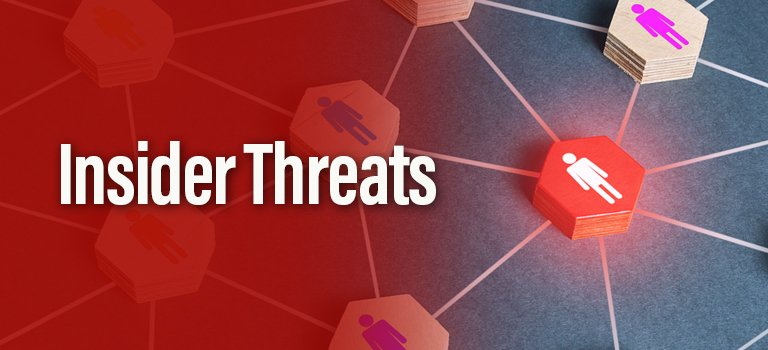
When we talk about cybersecurity, the mental image often defaults to shadowy figures in dark rooms, external hackers launching sophisticated attacks from afar. But what if the biggest threat isn't lurking outside your firewall, but sitting right inside your network, perhaps even in the next cubicle? This is the stark reality of Insider Threats: The Human Element—a critical security challenge driven by the actions, errors, and sometimes malice of trusted individuals within an organization. It's a complex, nuanced problem that demands a strategy far more intricate than simply building higher digital walls.
At a Glance: Understanding the Human Element in Insider Threats
- It's not just malice: Insider threats encompass both intentional harm (malicious insiders) and unintentional errors (negligent insiders).
- Widespread impact: These threats can lead to devastating data breaches, significant financial losses, reputational damage, and operational disruptions.
- Beyond technology: Effective defense requires a multi-faceted approach, blending technical controls with strong policies, a positive work culture, and continuous user awareness.
- Trust, but verify: Robust background checks, vigilant monitoring, and the principle of least privilege are foundational safeguards.
- Empowerment is key: Educating employees, fostering a security-first mindset, and creating easy reporting mechanisms turns your workforce into a line of defense.
- Continuous effort: Insider threat programs aren't set-and-forget; they require regular assessment and adaptation.
The Unseen Threat Within: Why Insiders Matter More Than Ever
The digital battleground is fierce, and while external cybercriminals grab headlines, the subtle, often unseen danger posed by insiders can be far more insidious. Unlike an external attacker who must fight to gain access, an insider already holds the keys—or at least a set of them. They understand your systems, your data, your vulnerabilities. This inherent trust makes the human element a double-edged sword: essential for operations, yet a potential conduit for significant harm. The challenge isn't just identifying the "bad apple"; it's recognizing that even well-meaning employees can inadvertently create massive security gaps. It's often said that the devil within is the hardest to fight, and in cybersecurity, this rings profoundly true.
Why are these threats so potent? Because they exploit the very fabric of organizational trust. Whether it’s a disgruntled employee seeking revenge, a financially motivated contractor selling trade secrets, or simply an overworked staff member falling for a phishing scam, the consequences can be catastrophic. The focus isn't solely on catching spies; it's about understanding human behavior, motivations, and the pressures that can lead individuals, sometimes unknowingly, to compromise security.
Not All Insiders Are Villains: Deconstructing the "Human Element"
The term "insider threat" often conjures images of malicious actors, but the reality is far more complex. To effectively address this challenge, you must first understand the spectrum of individuals who can pose a risk. The human element isn't monolithic; it's a blend of intentions, awareness, and circumstances.
Malicious Insiders: The Intentional Saboteurs
These are the individuals who deliberately exploit their authorized access to harm the organization. Their motivations can vary wildly, reflecting the intricate psychology of human behavior:
- Financial Gain: Selling sensitive customer data, intellectual property, or trade secrets to competitors or on the dark web.
- Revenge or Dissatisfaction: A former or current employee feeling wronged, looking to disrupt operations, delete critical data, or damage the company’s reputation.
- Ideological Beliefs: Individuals driven by political, social, or personal convictions who believe they are exposing wrongdoing or acting for a "greater good."
- Coercion or Extortion: An insider pressured by external parties, perhaps through blackmail, to provide access or information.
- Espionage: State-sponsored or corporate spies who infiltrate an organization specifically to exfiltrate sensitive data for national or competitive advantage.
Recognizing the patterns and precursors of such behavior—sudden financial stress, unusual access requests, expressed grievances, or foreign contacts—can be critical in early detection. This often involves a delicate balance of observation and respect for privacy, underscoring why managing the internal threat requires a nuanced approach.
Negligent Insiders: The Unintentional Gateways
Far more common than their malicious counterparts, negligent insiders cause harm not through intent, but through carelessness, ignorance, or a simple lack of awareness. These individuals are often allies in the fight against external threats, but their actions can unwittingly create vulnerabilities.
Common scenarios include:
- Phishing Victims: Clicking on malicious links or opening infected attachments, unwittingly providing access to credentials or installing malware.
- Weak Password Hygiene: Using easily guessable passwords, reusing passwords across multiple platforms, or sharing credentials.
- Data Mismanagement: Storing sensitive data on unencrypted devices, sharing it via insecure channels (like personal email), or mishandling physical documents.
- Configuration Errors: Making mistakes in system settings, inadvertently exposing data or creating backdoors.
- Ignorance of Policy: Not understanding or forgetting security protocols due to insufficient training or unclear guidelines.
- Shadow IT: Using unauthorized software or cloud services for work, bypassing security controls.
The key to mitigating negligent insider threats lies in comprehensive and continuous user awareness training, alongside intuitive security tools that guide users towards safe practices rather than merely restricting them.
Compliant but Vulnerable: The Unwitting Accomplices
Beyond malicious and negligent, there's a third category that often gets overlooked: employees who genuinely try to follow all rules but lack the deep contextual understanding or critical thinking to identify sophisticated social engineering. They might not be negligent, but they can still be exploited. This group underscores why security education needs to go beyond simply listing rules to teaching critical thinking and risk awareness. It reinforces the idea that understanding human vulnerabilities is paramount.
The Rippling Impact: Why Insider Breaches Hit Harder
When an insider compromises security, the fallout can be uniquely devastating. Unlike external breaches, which often involve unknown actors struggling to navigate foreign systems, an insider attack often leverages intimate knowledge and trusted access, leading to more targeted and profound damage.
- Data Breaches of the Most Sensitive Information: Insiders, by definition, have access to the crown jewels—customer data, intellectual property, financial records, strategic plans. Their actions can lead to the exposure of data that is not only vast in quantity but also highly critical in nature, far surpassing what an external attacker might typically find.
- Significant Financial Losses: The financial repercussions are multifaceted. They include direct costs for incident response, forensic investigations, legal fees, regulatory fines (especially under GDPR, CCPA, etc.), and public relations efforts to manage the crisis. Beyond these, there are hidden costs like increased insurance premiums and the long-term impact on sales due due to damaged reputation.
- Irreparable Reputational Damage and Loss of Trust: An insider breach deeply erodes trust. Customers lose faith in an organization's ability to protect their data. Partners question the security of shared systems. Investors become wary. Rebuilding trust after such an incident can take years, if it's even possible.
- Operational Disruption and Business Continuity Challenges: Insider actions can disrupt critical business operations, leading to downtime, reduced productivity, and significant operational inefficiencies. This could range from sabotaged systems to deleted databases, bringing business to a grinding halt.
- Competitive Disadvantage: The theft of intellectual property or trade secrets by an insider can hand a massive competitive advantage to rivals, costing years of research and development and potentially leading to lost market share.
These consequences highlight why organizations must prioritize detecting and mitigating insider threats with the same, if not greater, urgency as external attacks.
Building a Human-Centric Defense: Beyond Just Tech
Addressing insider threats isn't about implementing a single tool; it's about crafting a holistic strategy that intertwines technology, policy, and, most importantly, human understanding. You need a defense that acknowledges the complexities of the human element itself.
1. Robust Access Controls: The Principle of Least Privilege
This foundational cybersecurity principle dictates that employees should only have access to the data and systems absolutely necessary for their job role, and no more.
- Implement Role-Based Access Control (RBAC): Assign permissions based on an employee's role within the organization. This simplifies management and ensures consistency.
- Regular Access Reviews: Periodically audit and verify access permissions. When an employee changes roles or leaves the company, their access should be immediately updated or revoked. Stale accounts are a significant risk vector.
- Segregation of Duties: Ensure that no single individual has control over an entire critical process. This prevents one person from having the authority to execute and conceal fraudulent activities.
- Strong Authentication: Implement multi-factor authentication (MFA) for all critical systems and data. This adds an essential layer of security beyond just a password.
2. Vigilant Monitoring & Analytics: Spotting the Anomalies
You can't protect what you don't see. Monitoring user activity is crucial for detecting unusual or suspicious behavior that might signal an insider threat.
- User and Entity Behavior Analytics (UEBA): Deploy UEBA tools to establish behavioral baselines for each user. These systems can then flag deviations from normal activity, such as accessing unusual files, working at strange hours, or attempting to connect to unauthorized resources.
- Log Management and SIEM: Collect and analyze logs from all systems, applications, and network devices. A Security Information and Event Management (SIEM) system can correlate these logs to identify patterns indicative of a threat.
- Data Loss Prevention (DLP): Implement DLP solutions to prevent sensitive information from leaving the organization's network through unauthorized channels (e.g., email, cloud storage, USB drives).
- Endpoint Detection and Response (EDR): Monitor endpoints (laptops, desktops) for malicious activity, unauthorized software installations, or attempts to access restricted files.
The goal isn't to spy on employees but to identify behaviors that indicate risk, allowing for early intervention and mitigation. This proactive stance is key to staying ahead of the internal security challenges.
3. Thorough Vetting: Trust, But Verify
Prevention begins before an employee even starts. Background checks are a critical first line of defense.
- Comprehensive Background Checks: Perform thorough checks on all new hires, contractors, and third-party vendors who will have access to sensitive data. This should include criminal history, employment verification, and educational background. For high-privilege roles, consider more extensive checks.
- Continuous Evaluation: While not always feasible for all employees, consider continuous evaluation or periodic re-vetting for roles with access to extremely sensitive information, especially as circumstances change.
- Clear Policies: Establish clear policies regarding conflicts of interest, ethical conduct, and the handling of sensitive information.
4. Cultivating a Culture of Security: The Positive Environment
One of the most powerful, yet often overlooked, defenses against insider threats is fostering a positive and supportive work environment. Disgruntled employees are significantly more likely to become malicious insiders.
- Address Employee Grievances: Create clear channels for employees to voice concerns, grievances, or dissatisfaction. Promptly and fairly addressing these issues can prevent them from festering into resentments that could lead to malicious acts.
- Transparency and Open Communication: Be transparent about security policies and the reasons behind them. When employees understand the "why," they are more likely to comply.
- Employee Support Programs: Provide resources for employees facing personal or financial difficulties. Sometimes, external pressures can make individuals vulnerable to coercion or motivate illicit financial gain.
- Promote a Sense of Belonging: A positive, inclusive culture where employees feel valued reduces the likelihood of them wanting to harm the organization.
5. The Dedicated Insider Threat Program: A Strategic Approach
A piecemeal approach won't cut it. Organizations need a structured, dedicated program to manage insider threats.
- Establish a Cross-Functional Team: This team should include representatives from HR, legal, IT/security, and management to ensure a holistic approach.
- Develop Clear Policies and Procedures: Create documented policies specifically addressing insider threats, outlining acceptable use, data handling, and disciplinary actions.
- Incident Response Plan for Insiders: Have a specific plan for how to detect, investigate, contain, and recover from an insider-driven security incident. This differs from external breach plans, often requiring HR and legal involvement earlier.
- Regular Review and Updates: The threat landscape, technologies, and human behaviors evolve. Your insider threat program must be dynamic and regularly updated to remain effective.
Empowering Your People: The Power of Awareness
Even with the most advanced technology, your human firewall is only as strong as its weakest link. Enhancing user awareness and building a security-first mindset are paramount in mitigating the challenges posed by internal threats.
1. Ongoing Training & Education: More Than Just a Checkbox
One-and-done annual training sessions are insufficient. Cybersecurity education needs to be continuous, engaging, and relevant.
- Regular, Interactive Training: Implement ongoing training programs that cover critical topics like phishing awareness, password management, data protection, and social engineering tactics. Use gamification, real-world examples, and interactive modules to make it memorable.
- Role-Specific Training: Tailor training to different roles. A finance department employee handling sensitive financial data will need different emphasis than a marketing professional.
- Focus on the "Why": Explain not just what to do, but why it's important. Understanding the potential consequences of a security lapse helps employees internalize the information.
2. Phishing Simulations: Learning by Doing (Safely)
Simulated attacks are one of the most effective ways to test and improve employee vigilance.
- Regular Simulations: Conduct periodic phishing simulations to test employees' ability to recognize and respond to malicious emails.
- Constructive Feedback: Provide immediate, constructive feedback to those who fall for simulated attacks, guiding them through what they missed and offering additional resources.
- Positive Reinforcement: Acknowledge and reward employees who correctly identify and report simulated phishing attempts, reinforcing desired behavior.
3. Clear Communication & Security-First Mindset: Making it a Norm
Security should be an ingrained part of the organizational culture, not an afterthought.
- Consistent Messaging: Communicate security policies and expectations clearly and frequently through multiple channels (email, intranet, team meetings).
- Leadership Buy-In: Ensure that leadership champions security initiatives. When executives prioritize security, it cascades down through the organization.
- Recognize and Reward: Create a system to recognize and reward employees who demonstrate strong security practices and contribute to the organization’s overall cybersecurity efforts.
4. Easy Reporting Mechanisms: Be Their Ally
Employees are often the first line of defense. Make it simple and consequence-free for them to report suspicious activity.
- Clear Reporting Channels: Establish easily accessible and well-known channels for reporting security concerns, suspicious emails, or unusual activity.
- "No Blame" Culture: Foster an environment where employees feel safe reporting mistakes or potential security incidents without fear of immediate reprimand. The focus should be on learning and mitigation, not punishment.
- Prompt Response: Respond quickly and transparently to reports. This builds trust and encourages future reporting, turning employees into active participants in security.
Addressing Common Misconceptions About Insider Threats
Despite their prevalence, several myths persist about insider threats, hindering effective defense strategies.
- Misconception 1: "It won't happen here; our employees are loyal."
- Reality: Loyalty doesn't negate human error or vulnerability to external pressures. Even the most dedicated employee can accidentally click a malicious link or be socially engineered. Malice, while less common, can also arise from unexpected places due to personal crises or perceived injustices.
- Misconception 2: "Insider threats are always malicious actors."
- Reality: As discussed, negligent insiders are far more prevalent. A significant portion of breaches linked to insiders stem from accidental errors, poor judgment, or lack of awareness, not intentional sabotage.
- Misconception 3: "Technology alone can solve insider threats."
- Reality: While tools like UEBA, DLP, and SIEM are critical, they are only effective when integrated into a broader strategy that includes human elements: policies, culture, training, and HR/legal collaboration. No software can fully understand human intent or prevent every human mistake.
- Misconception 4: "Once a threat, always a threat."
- Reality: This view is too simplistic. While some individuals may pose a persistent risk, many negligent actions are correctable through education. Even malicious intent can sometimes be addressed through support and intervention (e.g., for employees struggling with financial hardship), though vigilance remains paramount.
Beyond the Basics: Advanced Strategies and Continuous Improvement
For organizations looking to mature their insider threat program, consider these advanced steps:
- Threat Intelligence Integration: Incorporate external threat intelligence with internal monitoring. Understanding current attack trends and specific threat actor tactics can help refine detection rules for insider activities.
- Behavioral Analysis Specialists: Employ dedicated behavioral analysts who can interpret complex data patterns and psychological indicators to identify potential high-risk individuals or activities before a breach occurs.
- Legal and HR Collaboration: Deepen the collaboration between security, HR, and legal departments. This ensures that any investigation or intervention is conducted legally, ethically, and with due process, protecting both the organization and the employee.
- Psychological Profiling (Ethical Considerations): While controversial, understanding general psychological profiles associated with malicious insider behaviors can inform risk assessments and monitoring strategies, always within strict ethical and privacy guidelines.
- Tabletop Exercises for Insider Scenarios: Conduct regular tabletop exercises specifically for insider threat scenarios. This helps security teams, HR, legal, and leadership practice their response, identify gaps, and refine their processes.
Your Next Steps: Building a Resilient, Human-Aware Defense
The journey to effectively combat insider threats is continuous. It's a marathon, not a sprint, requiring constant vigilance, adaptation, and an unwavering commitment to understanding the human element at its core. You've now seen that the threat isn't just about external bad actors; often, the most challenging adversaries are within your own ranks, whether intentionally or through simple error.
Your immediate next steps should involve a candid assessment of your current posture. Do you have clear policies in place? Is your security training engaging and continuous? Are employees encouraged to report suspicious activity without fear? Do your technical controls actively monitor for unusual user behavior?
Start by building a cross-functional team, if you haven't already. Foster an open culture where security is everyone's responsibility, and where mistakes are learning opportunities rather than immediate grounds for punishment. Remember, technology provides the tools, but people provide the ultimate defense. By investing in your human element—through education, empathy, and smart controls—you build a security foundation that is not only robust but truly resilient.